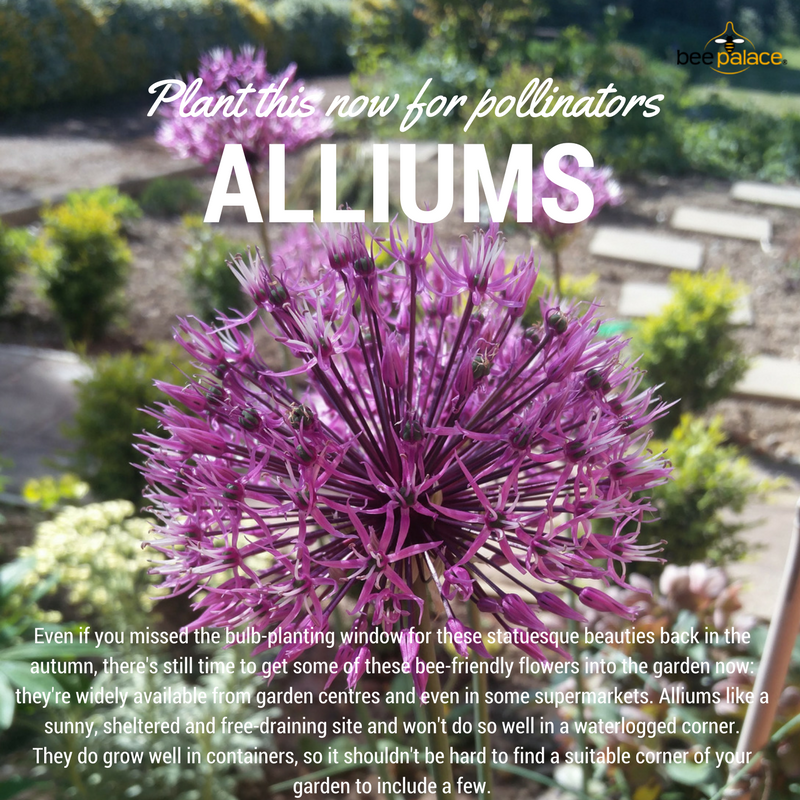
April 17th, 2018
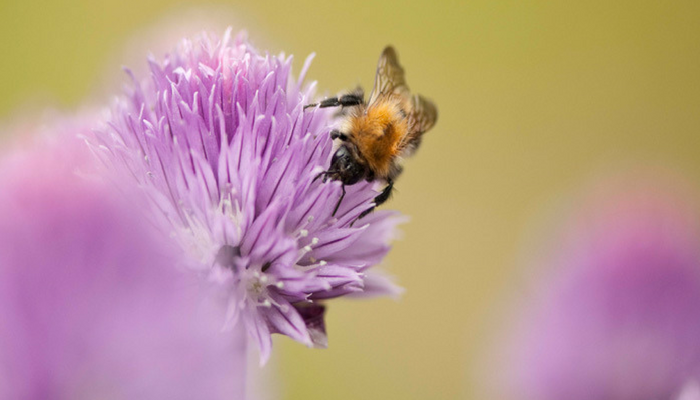
Having a bee or insect house in your garden is something easy that you can do to give mother nature a massive helping hand. If, like us, you’ve found yourself whiling away many a warm afternoon watching the bees fly in and out, you’ll know that they provide as much entertainment value as they benefit our wildlife. Read the rest of this entry »
Posted in bumblebees, Pollinators, red mason bees, Solitary bees
No Comments »
March 31st, 2018
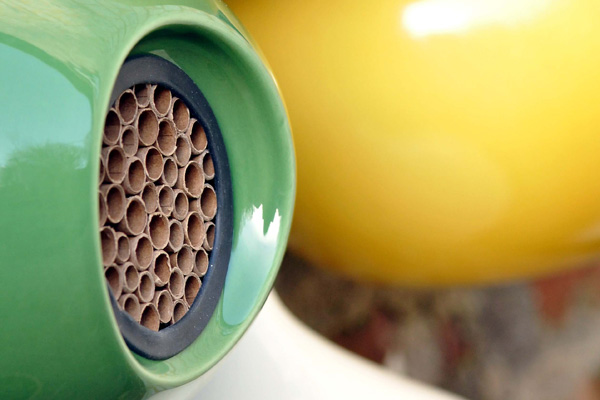
Whatever the weather, the Easter weekend always brings a smile to our faces because it’s the time we really start to notice the garden ramping up. All those months lying dormant and then – as if by magic and almost without warning – the first leaves unfurl, the blossom appears in the blink of an eye and the garden suddenly becomes ALIVE. Read the rest of this entry »
Posted in beepalace, bumblebees, Pollinators, red mason bees, Solitary bees
No Comments »
September 13th, 2017
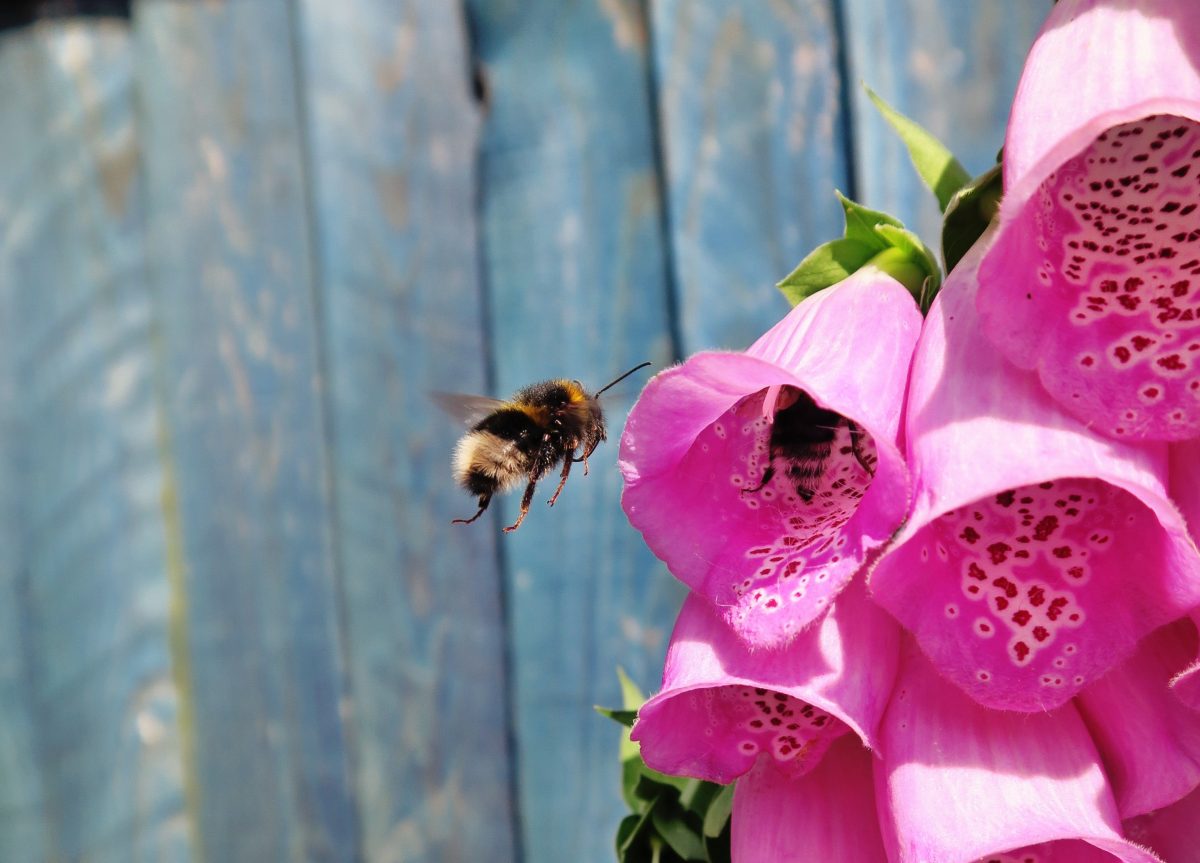
OK, so we know that as you’re reading this there’s probably a pretty good chance you already have a lot of respect for the bees in this world, but it can never hurt to remind ourselves why they’re so important – and fascinating. Read the rest of this entry »
Posted in beepalace, bumblebees, Pollinators, red mason bees, Solitary bees
No Comments »
August 3rd, 2017
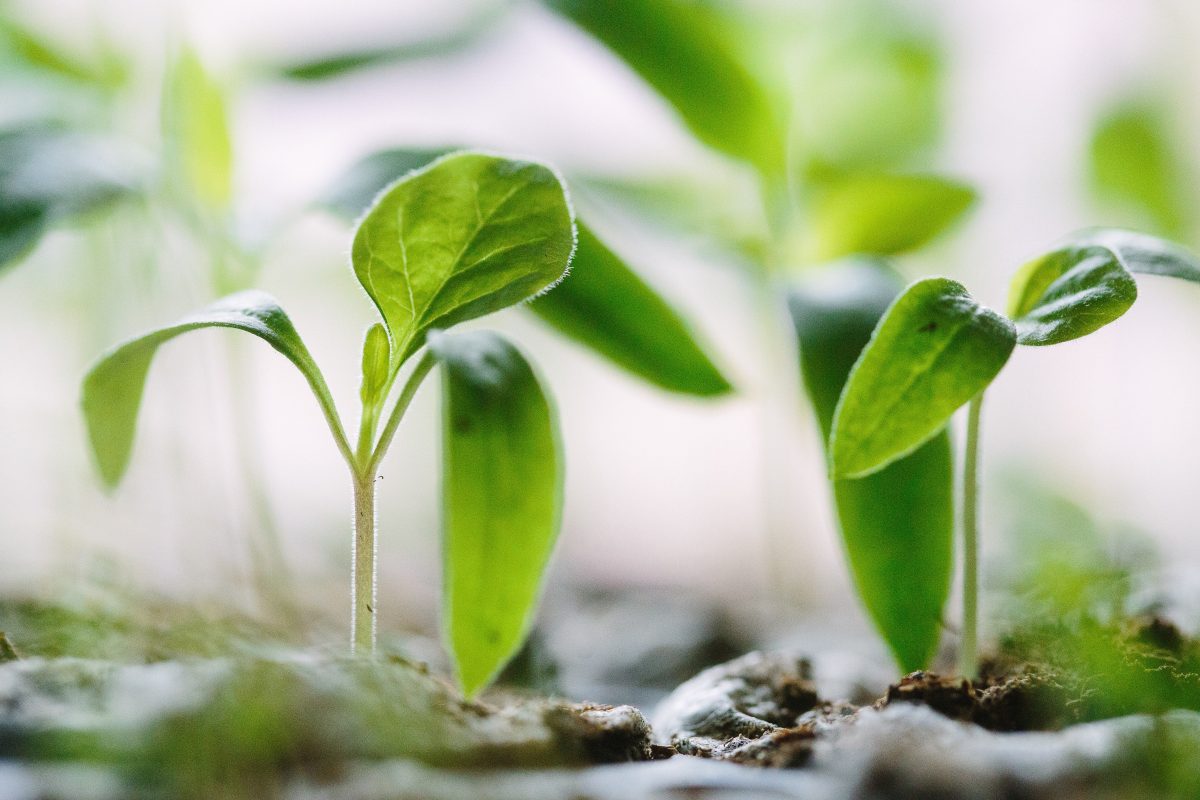
Rudyard Kipling once said, ‘Gardens are not made by singing “Oh how beautiful!” and sitting in the shade’. It’s true, of course but come August, a lot of the hard work has been done in the garden and, save for the ever-ongoing task of weeding and deadheading, it’s a month to really enjoy the spoils of all that labour. Read the rest of this entry »
Posted in beepalace, Flowers, plants, Pollinators
No Comments »
May 30th, 2017
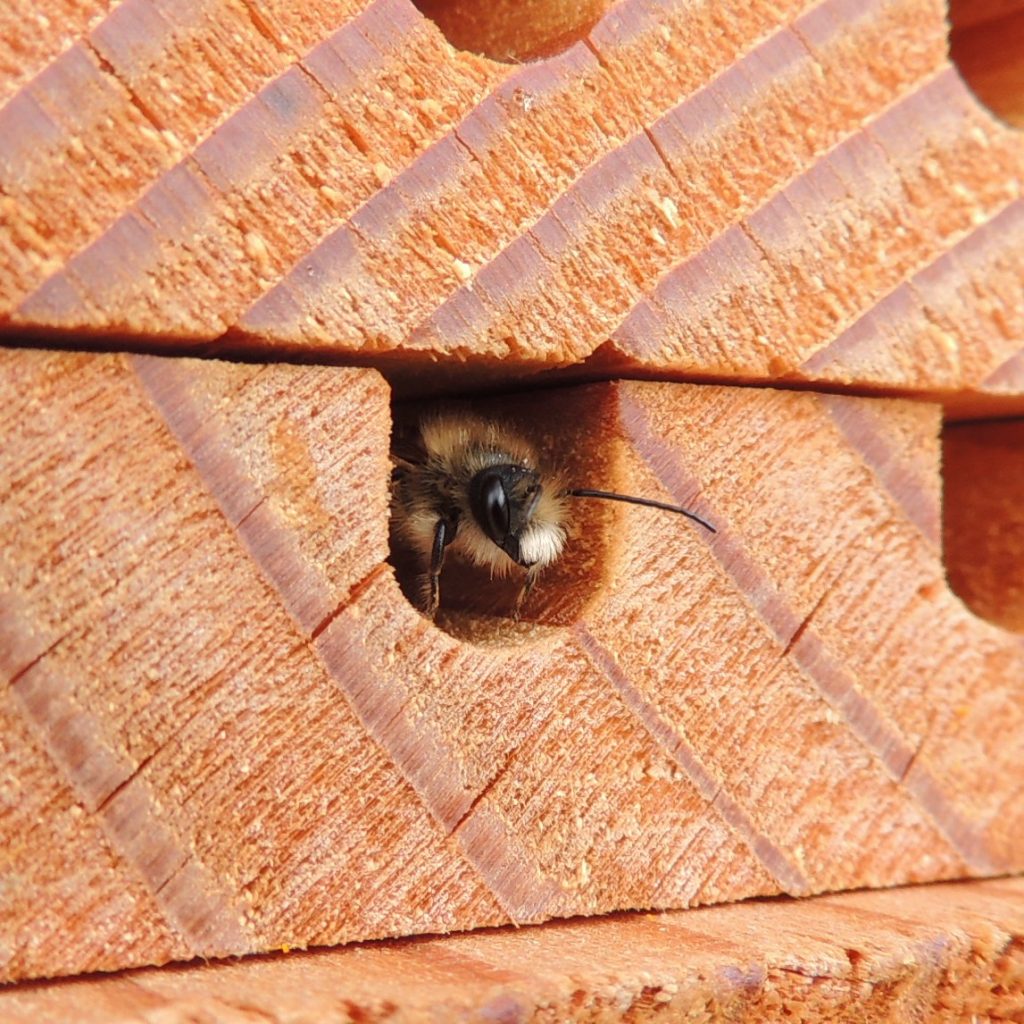
When you say ‘bee’ chances are most of us immediately think of honey or the almost-cuddly bumble bee, but in fact the world of our favourite pollinators is considerably more diverse. There is just one species of honeybee, 27 known bumblebee types, yet more than 250 different species of other, solitary bees, of which the Red Mason bee is one. Read the rest of this entry »
Posted in beepalace, Pollinators, red mason bees, Solitary bees
No Comments »
May 15th, 2017
Posted in plants, Pollinators
No Comments »
May 1st, 2017
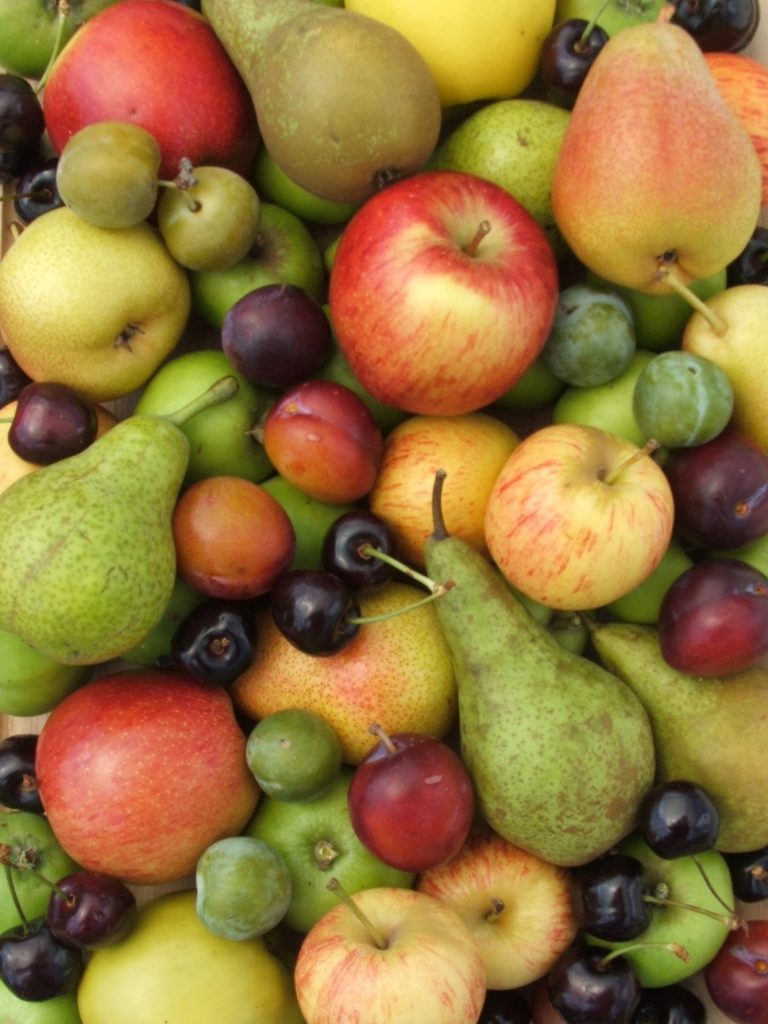
When we started beepalace, one of the statistics that we found truly mind-boggling was that it can take around 20,000 honey bees to pollinate an acre of apple orchard but just 250 solitary bees. Isn’t that amazing? Read the rest of this entry »
Posted in beepalace, Blossom, plants, Pollinator Initiatives, Pollinators, trees
No Comments »
April 14th, 2017
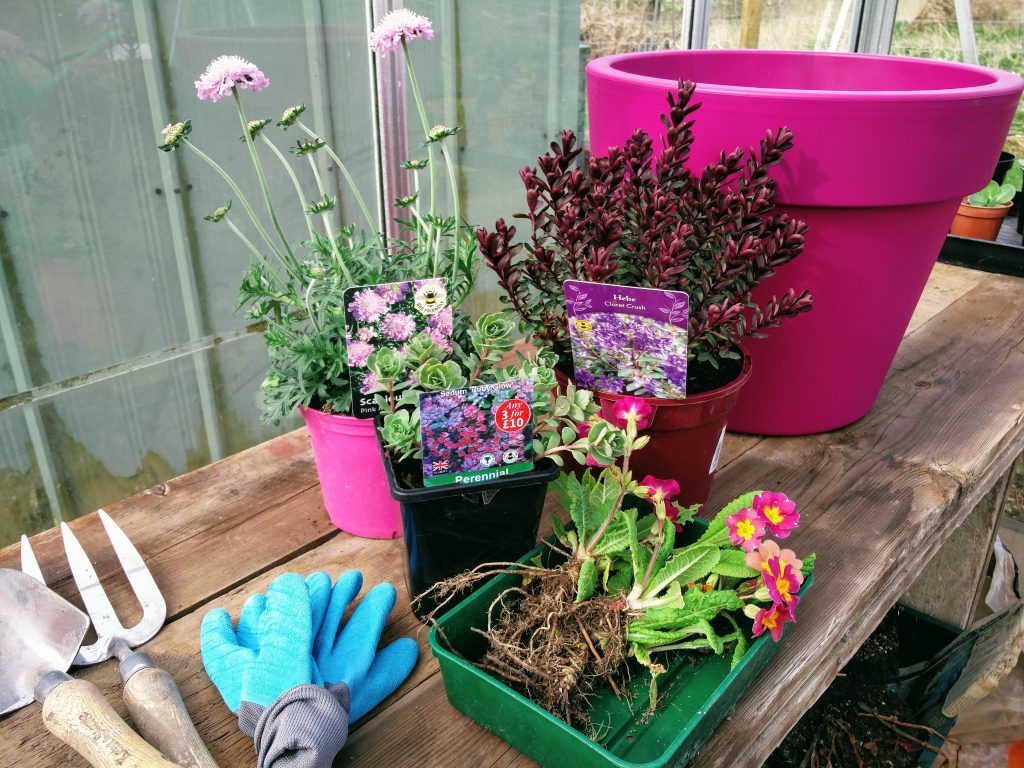
Whether your garden is measured in acres or square feet, there are plenty of ways to incorporate a bit of colour and some bee-friendly plants into the mix and, as it’s National Gardening Week (and a bank holiday weekend, no less!), there’s no time like the present to start. Some of you may remember the container we planted up last autumn, and we got so many enthusiastic comments that we thought we’d share another quick, easy and scalable scheme for your enjoyment. Read the rest of this entry »
Posted in Flowers, plants, Pollinators
No Comments »
March 31st, 2017
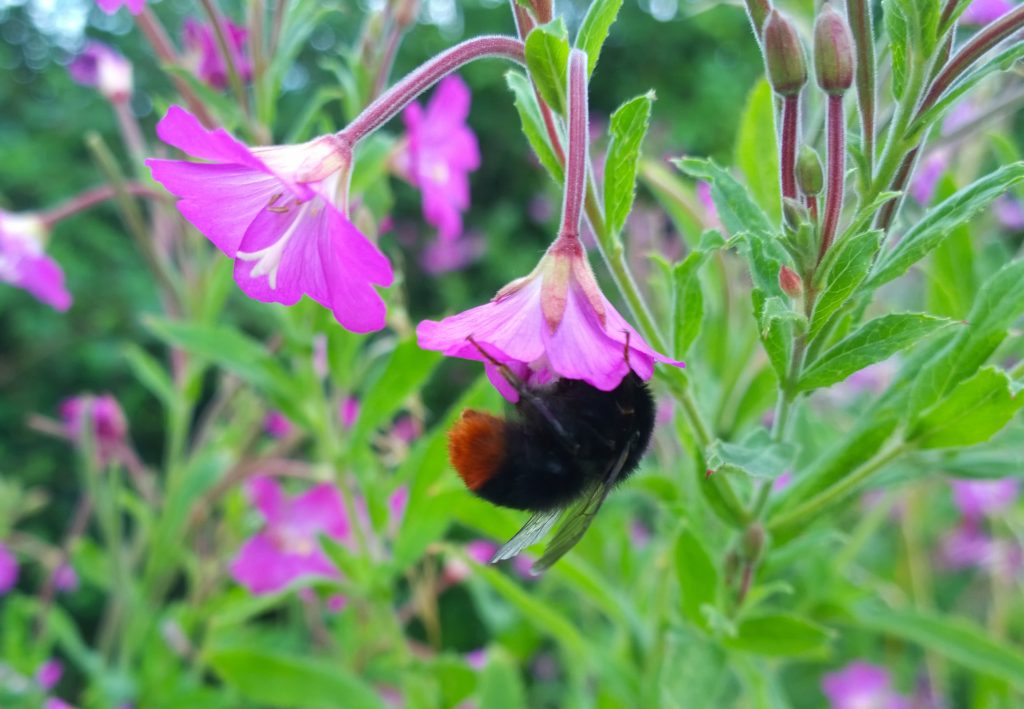
An exciting new research project launches in the first week of April, which aims to gather more information about our bumblebees by inviting volunteers to conduct short 5 minute surveys in their gardens, much as the RSPB do with their annual Big Garden Birdwatch. We were delighted to have a chat with Judith Conroy, one of the researchers for Blooms for Bees, to find out a little more…
Read the rest of this entry »
Posted in beepalace, bumblebees, Flowers, Pollinator Initiatives, Pollinators
No Comments »
November 17th, 2016
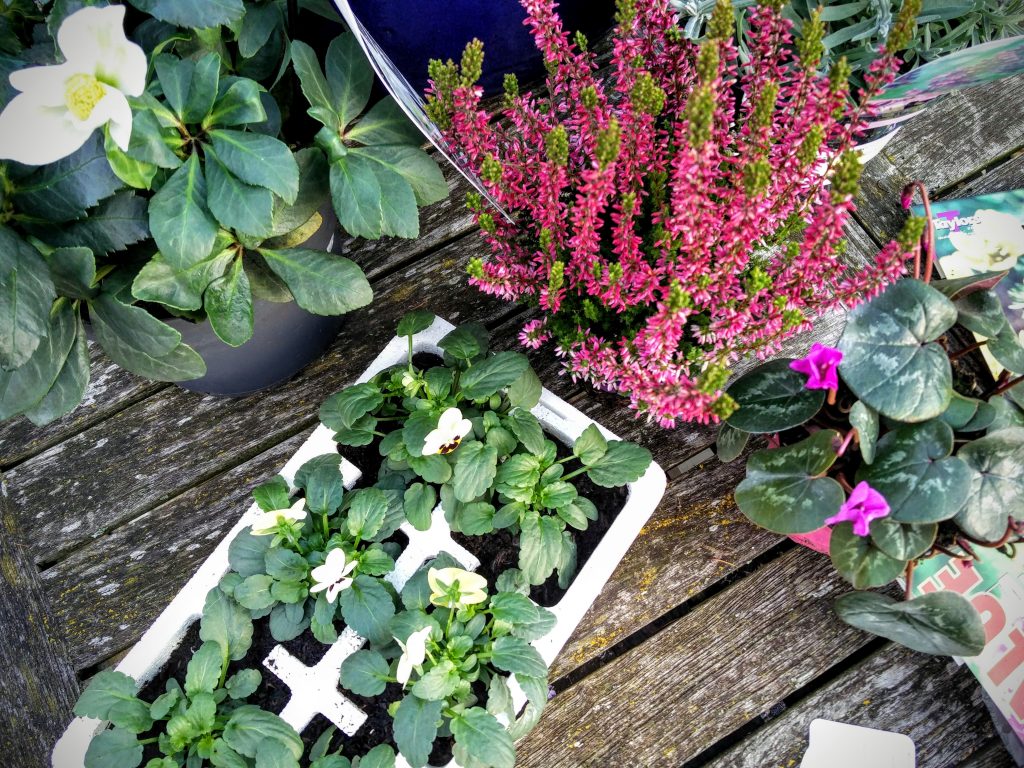
One of the most common questions asked of gardeners, garden designers and plantsmen and women is how to brighten up the garden in winter. Sure, it’s certainly not as easy as it is during the summer, but if you’re really savvy it’s entirely possible to create a single container that not only creates colourful interest through the darkest months, but is extremely pollinator-friendly as well. Read the rest of this entry »
Posted in plants, Pollinators
No Comments »